Showing posts with label Kailash Yatra. Show all posts

Friday, 7 February 2020

Inner Kora or Parikrama of Mount Kailash provides Magical Experience


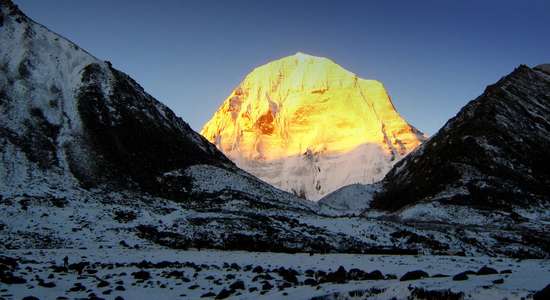
The supremely sacred Mount Kailash is segregated into two distinct Koras, Inner and Outer Kora, which are completely different from each other. Both these Koras differ in terms of parikrama or Circumambulation difficulty level, the inclusion of spiritual hubs, traveled distance and the regions covered in each of these Koras. The Inner Kora is known to be more complicated and challenging and so quite a less number of pilgrims opt for it, as the decision of circumambulation lies solely with the devotees. This yatra is recommended only for physically fit people having prior trekking experience. 


Devotees planning for Inner Kora are taken to the southern part of the base of this sacred peak for the felicitation of the inner parikrama. Kailash Yatra holds religious significance among all the four religions Hinduism, Jainism, Buddhism, and Bon. Hindus revered this mountain as the heavenly abode of Lord Shiva and his wife Goddess Parvati, Bon consider it as the Damchauk's Home and observe it as the nine-story Swastika, Buddhists entail it as the residence of Lord Buddha and Jains pay homage to this mountain because they considered it as a hub of Nirvana attainment for their first Tirthankara.


The Inner Kora or Parikrama is a 34 km walking journey, which also includes some spiritual destinations such as:

Nandi Parvat - Each and every peak around Mount Kailash is filled with great divinity due to which these are worshiped and regarded by every pilgrim coming for Kailash Mansarovar Yatra. Nandi Parvat is one such peak that is ardently followed by people. The Nandi, a holy bull, is a sacred vehicle of Lord Shiva, who acts as a messenger and delivers devotee's message to Lord Shiva, as Lord Shiva is believed to be engrossed in deep meditation on the top of Mount Kailash. This peak is named as Nandi Parvat due to its shape and appearance that greatly resembles a Nandi. Thus, pilgrims on this religious voyage revered this Parvat.  

Saptrishi Caves - Saptrisi Caves are assumed as the home of the seven rishis, who were ardent devotees of Lord Shiva. These caves are believed to be the extreme hub in the inner parikrama and are considered as the most difficult treks of this Yatra and only the experienced mountaineers can have  access to its trekking.  The Saptrishi Caves are located approximately at a height of 6000 metres and consists of the thirteen Chortens that are well managed and maintained by the Gengta Monastery. Pilgrims in these caves are going to witness abundant religious books kept inside these caves that are kept to pay homage to Lord Shiva. Pilgrims will also get a glimpse of the Nandi Mountain from the Saptrishi Caves.

Ashtapad - Ashtapad, the most beguiling pilgrimage spot of Jain religion, is also the nirvana attainment centre of the first Jain Tirthankar Bhagwan Rishabhdev. Ashtapad means 'eight steps' and it is named so because there exists an array of eight mountain peaks and also because the eight giant steps might lead to the palace. Among all the spiritual destinations,  the Ashtapad is regarded as the most beautiful due to the presence of abundant natural beauty and some unique elements. This peak is in  the Sichuan Province of  South West China and lies quite near to the Tibetan border.

Atmalingam – Atmalingam is formed from the snow Pushpadanta that comes through the Ashtapadu path created from the tip of Kailash. It is believed that Holy Sailodha river stream water originates from this Atmalingam. The Saptarishi and the yogis took a holy dip in pious waters and received Lord Shiva's blessings, thus it is considered as the most blesses part of the Mount Kailash having great prominence in the Hindu culture. It is a great feeling and blessing to walk down the path that has been walked by innumerable saints and rishis and it is also said that the Saptarishi and other religious beings still live in the unseen caves of and are invisible to the human eyes.

Kuber Kund  - During the Inner Kora or parikrama of Mount Kailash, pilgrims will spot a significant lake called Kuber Kund. This lake is highly revered among the worldwide tourists due to innumerable tales associated with it. Devotees coming to this lake are sure to be awestruck with its breathtaking scenic surroundings and serenity found around this lake.  

Despite Inner Kora being a challenging and difficult trek, devotees still opt for this parikrama, as the peace and blissfulness achieved after completing the parikrama are difficult to describe in words. The eternal peace and satisfaction achieved during the voyage of Kailash Inner Kora are immense and the divinity lying in between spiritual hubs is simply magical. 
 

Thursday, 4 February 2016

Preparation for Kailash Mansarovar Yatra (Medical and Physical planning) - 2025 experience of our Guide Lakhpat Sherpa


Kailash Manasarovar Yatra has its own significance and sanctity because of the spiritual association; in spite of the unpredictable harsh conditions several thousand enjoy the pilgrimage on this route. The region is located 18000 plus feet above sea level. With our experience we are saying in every group/overall about 50% of the yatris are affected by altitude sickness and nausea. Our small outline and a brief experience could help the pilgrims in better preparing for the yatra since it is a combination of high climb on foot (trekking) and by transport (long drives and uphill tough terrains with huge mountains all around). Here the Group experience Nature managed i.e., unpredictable extreme climate from snowing to frozen atmosphere, with sunlight, harsh wind and even rain are experienced simultaneously, and there is no greenery around. Pilgrim must be optimistic and should plan in advance to combat with the yatra natural shades and our body management system.


 Getting Prepared:

·   Check for a proper acclimatization and minimum relaxation and stoppage so that we are less affected and tour is best planned by a tour operator.

·   We must plan a judicious baggage with appropriate shoes and warm clothes (thermals, sweaters), socks, cap and Jackets.

·   To combat the extreme climate our body must be adjusted so we must start with the morning and evening walk for one hour (wearing proper shoes)  and try Pranayam (under the guidance of trainer). It is advisable to do this 4-6mnths before the yatra in order to set the body system and meticulously combat the tough terrain.

·   Blood sugar, cholesterol and triglyceride, urea and creatinine, Blood Pressure and ECG must be checked 6 months prior to your trip so that remedy could be devised and yatra could be planned.

·   Develop the habit of taking Multivitamins and these days after checking with the doctor Vitamin D is also essential; Evion 400 & Calcium tablets 180 days minimum prior to your tour. Although there is no such guideline still we suggest so that yatra is conducted peacefully and enjoyed thoroughly with full attention on the mesmerism created by the almighty all around and mission is succeeded well.
·   Pilgrims with the ailments like Asthma or breathing problems, heart problem and high blood pressure, recent injuries, sugar are advised to avoid the yatra until they are fit or guided by the Doctor.

Kailash Mansarovar Yatra 2018


Altitude Sickness

High altitude: 5000ft to 11500 ft
Very high altitude: 11500ft to 18000ft

The way altitude increase , atmospheric pressure decreases where the percentage of Oxygen remains at certain level ; the pressure of the oxygen is slow ; oxygen is thinner; and this leads to altitude sickness, usually most of the pilgrims could climb around 1500-200 m in a day, without any hastle whereas 50% of Pilgrims develop issues  when they touch 3000m. The distance climbs (gaining height), high altitude and rest and improper acclimatization and poor preparation before the yatra (walk etc. as guided above) are the factors and reasons of  Altitude sickness.

High Altitude illness include the following  

1. Acute Mountain sickness
2. High altitude pulmonary edema (HAPE)
3. High altitude cerebral edema (HACE)

The observant reasons vary from individual to individual, most important is persistent headache Burning or watery eyes, giddiness, dryness in nose and hard to breath, Nose bleeding, and sleep disorder are seen. Fatigue is most easily seen and felt. Gastrointestinal symptoms include vomiting, loss of appetite, distension of abdomen and nausea.

Threat to life can be observed with the conditions like HAPE the real symptoms are breathlessness when you are at ease or resting, cyanosis (blue tinge in finger tips), persistent coughing, fever and giddiness.

HACE common symptom is irritability lethargy, difficulty in walking (gait impairment), drowsiness, mental status altered, coma and these kinds of conditions oxygen is given to the patient, and sending back to the plains and lower altitude is the only option.  Steroids do help under the guidance of the physician.

Medicines required:

1. Acetazolamide (Diamox)
2. For pain relief – Hifenac (aciclofinac sodium).
3. Anti allergics  – Deslor/Allegra 120
4. Antiemitics – ondansetron - tablet and  injections
5. Anti - diarrhoeal
6. Glucose, ORS, Paracetamol
7. High blood pressure medicines
8. Nasal spray-saline - otrivin
9. Antibiotics are to be carried by doctor’s advice
10.   Sunscreen with SPF 50


 Diamox tablet 250mg minimum should be taken to combat altitude sickness at least once daily from the day we start gaining height and should be better taken in the morning and should be continued unless we return the base. The side affect of this medicine is tingliness affect so we must consume optimum water and combine with multivitamin so that tour is healthy with enough substitutes.

Finally with our experience we say if yatra is meticulously planned with enough of medical care and walk we could enjoy best of the Yatra in full swings and optimum so preparation and is essential and minimum baggage and body temperature consistency is essential. It is essential first you take care of yourselves and be observant of your co yatris so that immediate medical aid could be extended and we conclude the yatra successfully.

(NTP Team leader and Guide experience Lakhpat Sherpa (2015) Kailash Mansarovar Yatra)

Monday, 16 March 2015

Kailash Mansarovar Tour 2025


Religious Importance of Kailash Mansarovar yatra 

Hinduism: Kailash is the summit where Lord Shiva, the destroyer of ignorance and illusion, sits for meditation with consort Parvati. Kailash Mansarovar is surrounded by six mountain spectrum which indicates a symbol of lotus. It is believed that the person who drinks water from the lake is cleansed of all his sins.

 Jainism: Kailash is known as Meru Parvat and Asthapad; where firest Jain Tirthankar attained Nirvana (Moksha). Tantric Buddhists: believe that Mount Kailash is the home of the Buddha Demchok also Known Chakrasamvara) And for Bon a source of mystical power
Just 20 kilometers away from Mount Kailash, the sacred blue and emerald green Manasarovar lake that lies at a height of 15,015 ft, is known to be an symbol of purity, containing healing properties and the power to wash off all sins.


TIME/ROUTES/MODE OF TRAVEL: Yatra is held every year from May till September end. Raining season starts from July till august. Helicopter tours are not advised in august.The new road is opened from Sikkim via Nathula organised by the Government of India. But the best route is via Nepal which is organised by many private tour operators. Basically one can reach Kailash via Nepal, Sikkim and Uttaranchal. There are many ways to complete your religious tour of Kailash Mansarovar like via Jeep, Bus or Helicopters.

Kailash being a tough yatra, Yatris  should know few things before  embarking on this yatra. 

  • Valid passport( Permit and visa also but will be organised by the concerned tour operator)
  • A person with asthma and heart ailments are advised to consult doctor before undertaking this high altitude pilgrimage
  • Always keep your usual/prescribed medicines (if any) beside basic medicines for fever, nausea, dehydration, vomiting body ache and headache and bandages.
  • Start drinking Luke warm water well in advance before the yatra to make a habit of drinking warm water.
  • Use very strong and rough bags to pack your belongings & don't keep the fragile items in your bag which has to be carried on the Yak. A duffel bag is advisable.
  • Don't forget to carry some eatables like dry fruits, sweets, chocolates, glucose, candies, mints, khakra, laddu etc
  • If possible, some form of physical training is crucial. Walking, jogging, body weight exercises and cardiovascular training or Pranayama yoga would be useful.
  • Don't at all expect luxury on this tour however Sherpa team are very helpful to make your yatra successful.
  • Advisable to insure yourself against personal loss, injury/accident, death and emergency evacuation. Make sure that your policy covers Emergency Evacuation by Helicopter at high altitude treks.
  • If possible, arrange your Chinese Yuan (which you might require to buy some souvenir or to pay for pony etc.). 
  • Alternately, you can carry US$ with you which can be easily converted but Indian Currency notes are not acceptable in Tibet. Do not carry Indian Currency Notes of 500 & 1000 denominations as these are not acceptable in Nepal and cannot be exchanged.


Wednesday, 26 November 2014

Kailash Mansarovar Yatra

Kailash Manasarovar Yatra (KMY) has its own sanctity with its spiritualistic significance combined with natural beauty. Yatra is undertaken by thousands of Pilgrims via different routes of India. Nepal and China. Kailash has its significance associated with not only the Hindus but as well with the Jains and Buddhists.


The region is adorned with several pious truths embellished with mountain, kundas, srots of positive energy which has jewelled several Tirthakars and Spritual Gurus of various religions and cults. The region has River and each side has been symbolically signifying the strength of living beings where by North is signifying Lion Mouth where as east direction signifies Horse Mouth, South is Peacock mouth and West as Elephant mouth. Each side signifies the mouth and the originating point of four rivers i.e., the Indus, The Yarlung Tsabgpo (Brahmputra), The Karnali and the Sutlej.


Tibetan believe the place as residence of Demchog, A Tantric who lives with his concert Dorhe Phagmo. Tibetans also believe that their poet Milarepaa spent several years meditating in cave here at the Kailash Hill. For the Hindus Kailash is Mt. Meru, the spiritual centre core of the Universe which is 84000 miles high around which all revolves, where as its root is lowest hell and its peak is touching heaven. On the top lives lord Shiva with his consort Parvati. For the Jains this is the place where spiritual guru enlightenment. For many It is a spiritual centre of Dhang Zung, the ancient BON religion. For years pilgrims walk around the mountain to cleanse themselves and attain peace. Dispite of tough terrains pilgrims cover 1000 km distances particularly harsh weather and attack .

In order to achieve the divine pleasure we strength we invite the Bhakts /Religious followers for the sacred pilgrim of kailash Mansarover. This is considered as Guardian Site for the Shiv Bhakta. With our strong team spirit and we invite yatris for the tours.